Introduction: Why PLA is Your Perfect Starting Point
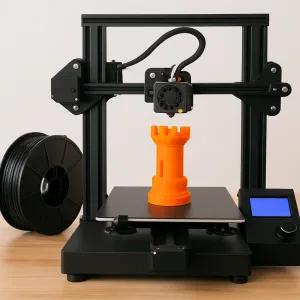
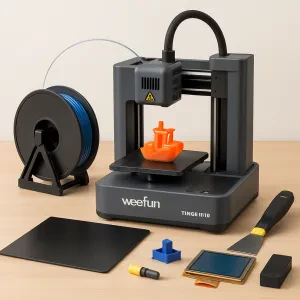
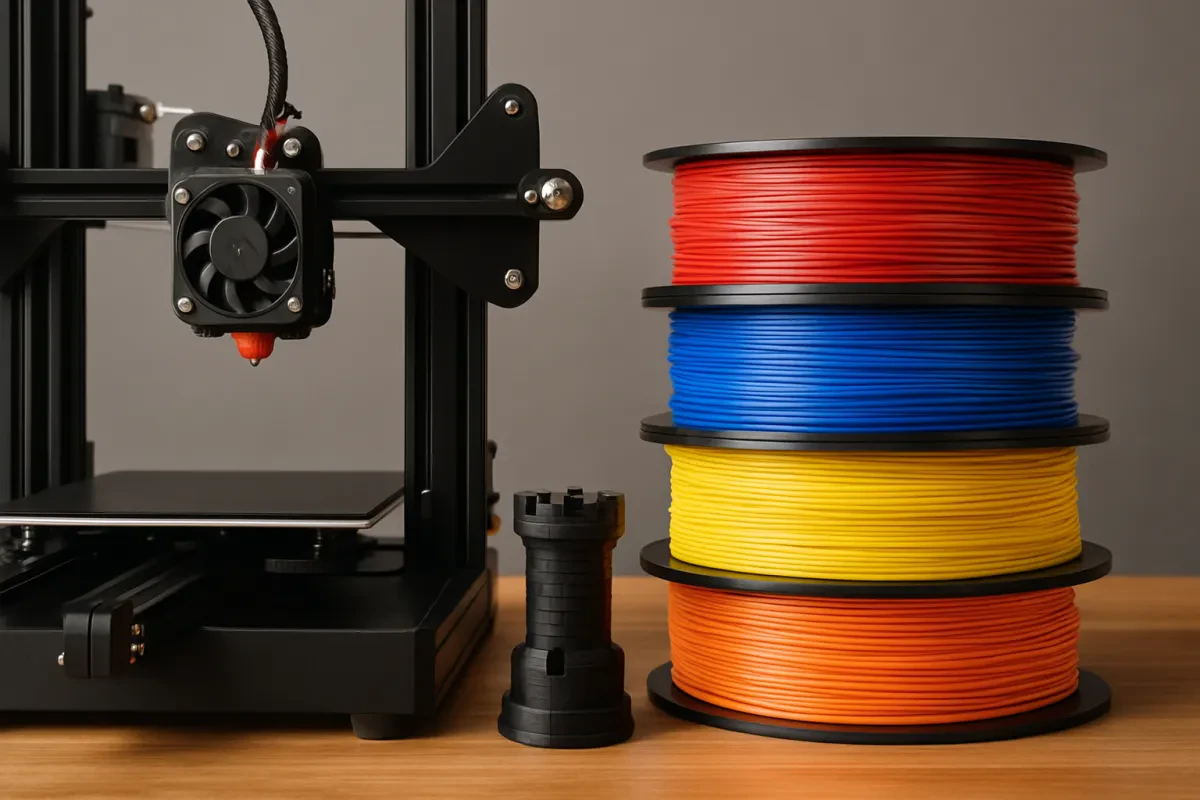
Stepping into the world of Fused Deposition Modeling (FDM) 3D printing often begins with one material: Polylactic Acid (PLA) filament. For beginners, PLA is widely considered the easiest and most reliable material to work with. This guide explains why PLA is the ideal starter filament, how it compares with tougher materials like ABS and TPU, and how you can enhance your prints using specialty filaments such as Wood PLA and Metallic PLA.
PLA: The Best 3D Printer Filament for Beginners
PLA is the most common 3D printing filament and is the recommended material for new users. It is also environmentally friendly, derived from renewable resources such as corn starch.
| PLA Key Feature | Why it's Great for Beginners |
| Ease of Use | One of the easiest filaments to print with, delivering consistent results across most printers. |
| Low Warping | Minimal shrinkage during cooling reduces failed prints. |
| No Heated Bed Required | Works on almost any FDM printer. |
| Low Odor | Produces very little smell or fumes during printing. |
| Low Print Temperature | Typically prints between 180–230°C which is gentle on hardware. |
The Bottom Line: PLA is ideal for prototypes, models, decorations and everyday objects. For beginners it delivers the highest chance of successful prints.
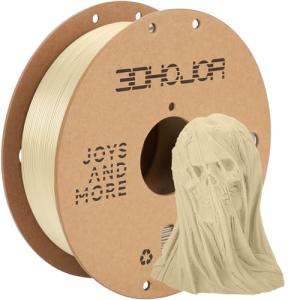
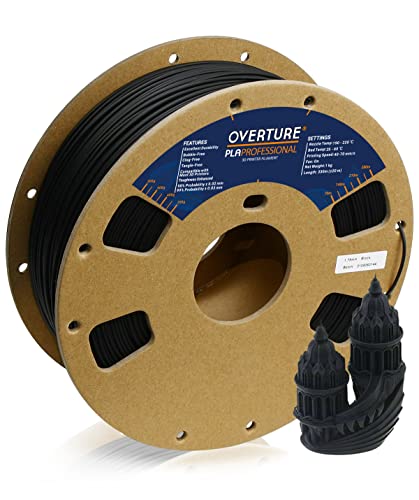
PLA Pro Filament 1.75mm for FDM Printers
Get durable, high-quality prints with this easy-to-use PLA Pro filament that works seamlessly with your FDM printer
Product information
£13.99
Product Review Score
4.28 out of 5 stars
208 reviewsProduct links
PLA vs Other Popular Filaments: ABS and TPU
While PLA is the best starting point, other filaments such as ABS and TPU can be useful for specialised prints requiring durability or flexibility.
| Feature | PLA | ABS | TPU |
| Best Use | General printing, models, household items | Durable mechanical parts | Flexible objects |
| Ease of Printing | Very Easy | Moderate | Moderate |
| Strength | Medium | High | Flexible |
| Heat Resistance | Low | High | Moderate |
| Warping Risk | Minimal | High | Minimal |
Summary: Start with PLA. Consider ABS for durability and TPU for flexibility once you gain experience.
Advanced PLA Options: Wood and Metallic Filaments
Once you become comfortable printing with standard PLA filament, you can explore enhanced blends that provide unique visual finishes while maintaining easy printing.
Wood PLA Filament
Wood PLA combines PLA with fine wood fibres to create prints with a natural wooden appearance.
- Aesthetic: Realistic wood texture and smell
- Use: Decorative prints, models, props and ornaments
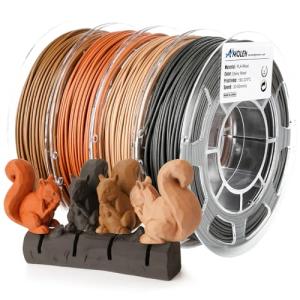
Wood PLA Filament Bundle 1.75mm, 200g/Spool
Achieve stunning wooden finishes for your 3D creations with our Wood PLA Filament Bundle
Product information
£31.56
Product Review Score
4.78 out of 5 stars
108 reviewsProduct links
Metallic PLA Filament
Metallic PLA blends incorporate metal powders to produce a metallic finish.
- Aesthetic: Shiny metal-like appearance
- Use: Jewelry, props, trophies and figurines
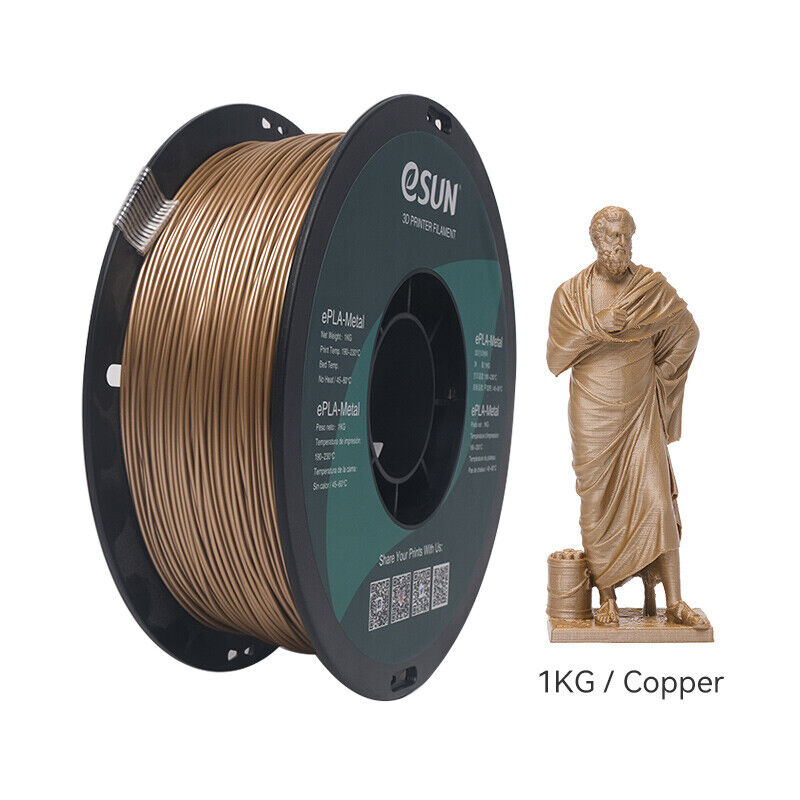
Metallic PLA Filament for 3D Printing
Achieve stunning metallic finishes for your 3D prints with our high-quality PLA filament
Product information
£18.50
Product Review Score
4.95 out of 5 stars
148 reviewsProduct links
Troubleshooting Common PLA Printing Issues
Even beginner-friendly filaments sometimes require adjustment. These quick solutions help maintain reliable prints.
| Problem | Cause | Solution |
| Poor Bed Adhesion | Dirty or cold print surface | Clean the bed and use a heated surface or glue stick |
| Stringing | High nozzle temperature | Reduce nozzle temperature gradually |
| Pillowing | Insufficient top layers | Increase top layer count |
| Clogging | Filament residue | Use cleaning filament or perform a cold pull |
Improve Print Quality with the Right Accessories
High quality prints also depend on your printer setup. Upgrading your build surface or installing automatic bed leveling kits can dramatically improve adhesion and first-layer accuracy.
Ready to Start Printing?
Now that you understand why PLA is the perfect beginner filament, it's time to choose your first spool and begin creating.